Ecommerce growth
The Warehouse Next Door
Micro fulfillment centers are moving warehouses closer to customers. Here's why the market is set to triple by 2031, and what's fueling the shift.
There was a time when “fast shipping” meant a week, and nobody complained. That time is over, and it’s exactly why micro fulfillment is on the rise. Shoppers now expect free delivery in about 2.7 days on average, down from more than 3.5 days not long ago, according to AlixPartners’ 2026 Home Delivery Survey. And they aren’t forgiving about it. More than half say they’d walk away from a retailer entirely after just one or two missed deliveries.
You can’t meet that expectation from one warehouse on the other side of the country. So the warehouse is moving. Closer to cities, closer to neighborhoods, closer to the front door. And it’s turning into one of the fastest-growing corners of logistics.
What a micro fulfillment center actually is
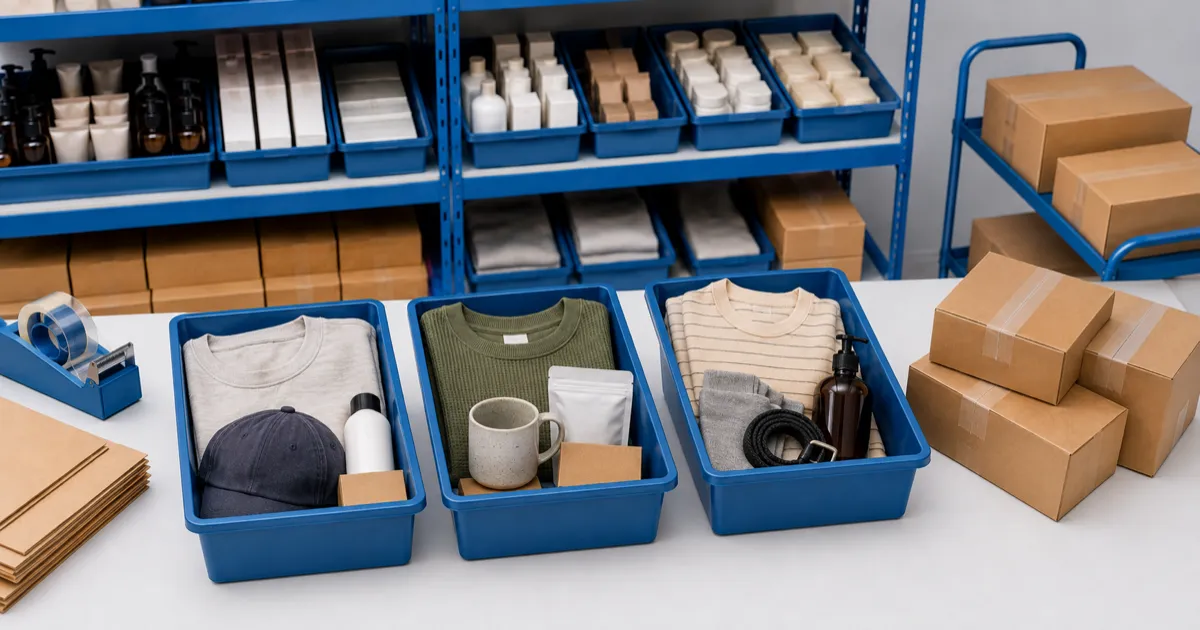
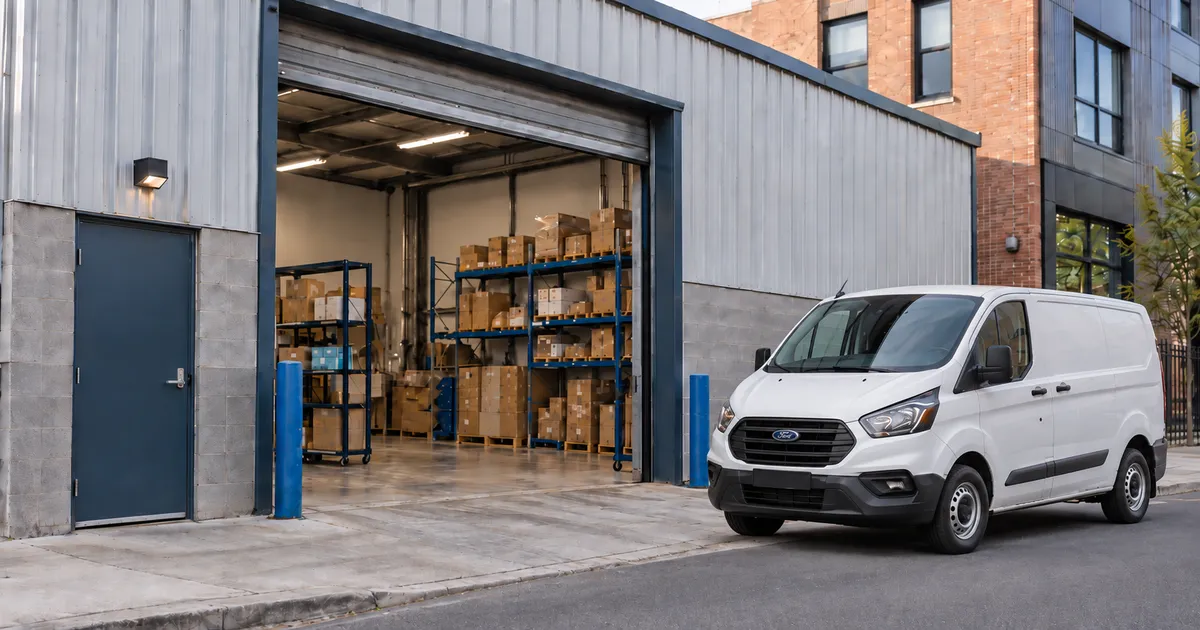
A micro fulfillment center, or MFC, is a compact fulfillment hub placed near the customers it serves. Where a traditional distribution center can cover hundreds of thousands of square feet on the edge of a metro, an MFC typically runs between 3,000 and 10,000 square feet and holds the products people order most. Instead of shipping everything from one giant building far away, the inventory sits where the orders come from.
Fewer miles. Fewer handoffs. Faster boxes.
It started with groceries. It didn’t stay there.
Micro fulfillment first took off in grocery, where same-day delivery isn’t a perk, it’s the product. Milk can’t spend four days in a truck. Online grocery reached 21% penetration in 2025, according to Mordor Intelligence, and grocers built compact, often automated hubs to keep up.
But the model didn’t stay in the produce aisle. Warehouse automation company Dematic names apparel, consumer electronics, sporting goods, auto parts, and industrial supplies as categories where micro fulfillment now fits, summing it up simply: “if consumers can buy it online, micro-fulfillment is an option.”
That line is the whole story. What began as a grocery solution is becoming an ecommerce one.
The money following micro fulfillment
The micro fulfillment market is projected to roughly triple in five years, from $8.5 billion in 2026 to about $26 billion by 2031.
Mordor Intelligence puts the market at $6.84 billion in 2025, with growth of close to 25% a year through 2031.
What’s fueling the rise
A few forces are pushing micro fulfillment forward at the same time.
The last mile got expensive. The final leg of delivery made up 53% of total shipping costs in 2023, up from 41% in 2018. When more than half the cost happens in the last stretch, shortening that stretch matters. It’s the same kind of quiet cost we dug into in The Leak Brands Don’t Track.
Distance is priced in. Carriers charge by zone, and the gap is steep. A 5 lb USPS Ground Advantage package costs roughly 87% more to ship to zone 8 than to zone 2.
Labor keeps climbing. U.S. warehouse wages rose 13% over two years, according to Mordor Intelligence, pushing operators toward leaner, more efficient footprints.
The right buildings are scarce. Compact warehouse space close to cities is tight. CBRE’s March 2026 brief notes its vacancy runs below the broader industrial market, only 5% of it was built after 2010, nearly half predates 1980, and rents climbed more than 50% from 2010 to 2025. Demand is high, supply is old, and little new is coming.
The biggest players have already proven the model. When Amazon reorganized its U.S. network into eight regions, it cut the distance between sites and customers by 15% and middle-mile touchpoints by 12%, according to an INFORMS study published in 2026.
The growing pains
Micro fulfillment comes with trade-offs. Spreading inventory across locations means every hub needs the right stock at the right time. Guess wrong and one location sits on too much while another runs out. Landmark Global CEO Scott MacRae told Supply Chain 24/7 that keeping inventory balanced across warehouses is a constant struggle, and that shuffling stock between them can erase the savings that made going local appealing. His takeaway: it has to be planned as a whole network, not picked like a real estate listing.
That’s the catch with any fast-growing industry. The concept is simple. Running it well is not.
Where micro fulfillment is heading
If the forecasts hold, micro fulfillment will be about three times its current size by the start of the next decade. More categories will move in, more buildings will find new jobs, and the gap between “ordered” and “delivered” will keep shrinking.
For an industry built on moving boxes, the biggest shift right now isn’t about size. It’s about distance.
So yes, after all those stats, we’re officially telling you size doesn’t matter. At least not in fulfillment.